
From July 8 to 12, the International College of the University of Science and Technology of China (USTC) organized a study tour to Yumin County in Xinjiang's Tacheng Prefecture for international students from ten different countries. Invited by the People's Government of Yumin County, the five-day exchange program focused on rural revitalization, industrial development, cultural diversity, and regional opening-up, providing students with an opportunity to step beyond the classroom and gain first-hand insight into contemporary China's development through field visits and community engagement.
Building Bridges through Dialogue
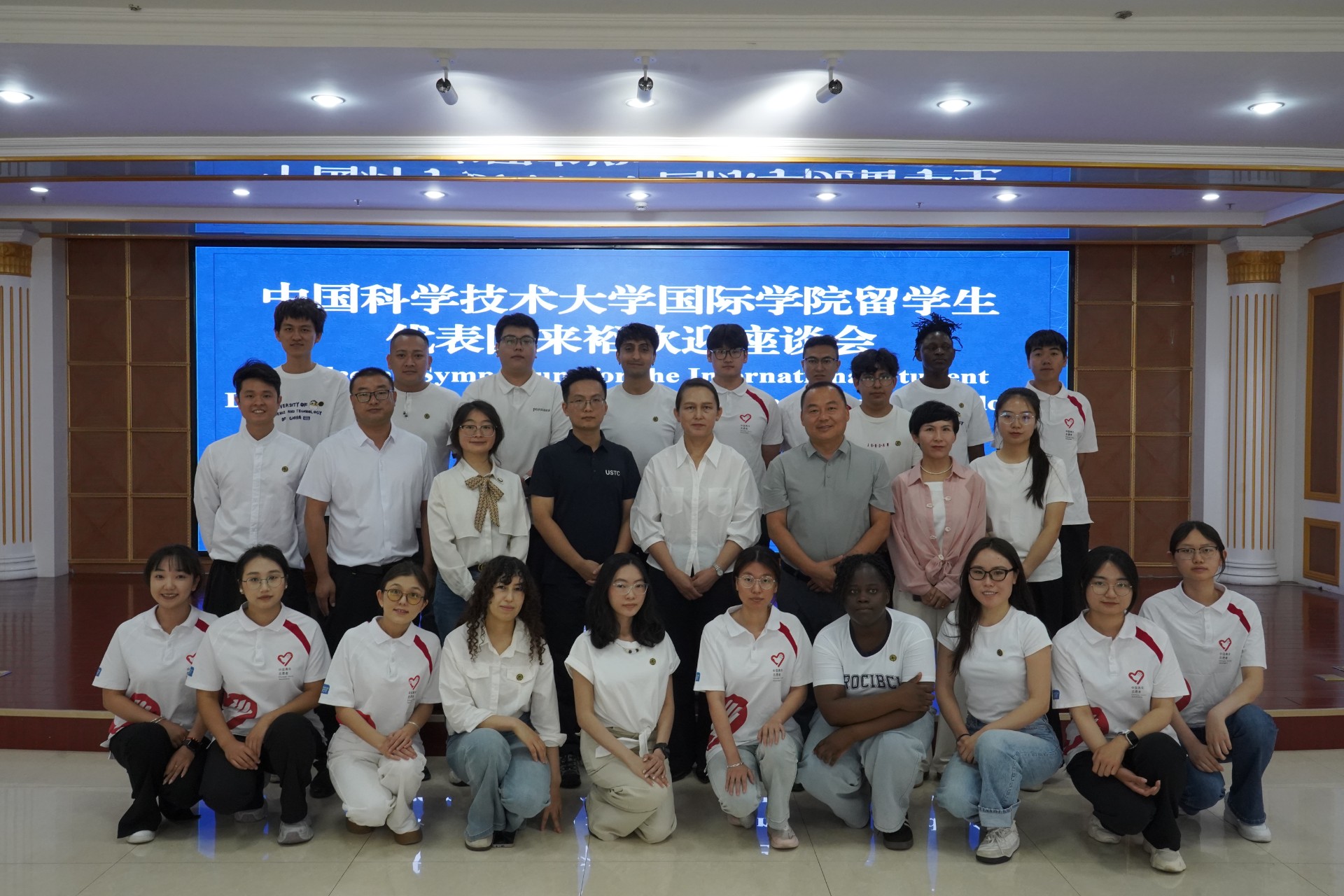
The program began with a welcome symposium hosted by Yumin County. Representatives from the Tacheng Foreign Affairs Office and Yumin County welcomed USTC international students and introduced the county's economic development, cultural heritage, and international engagement.
During the meeting, students watched a promotional video about Yumin County and shared their expectations for the program, expressing their interest in learning more about Xinjiang and experiencing local communities firsthand.
The staff from USTC International College encouraged students to make full use of this valuable learning opportunity by engaging with local communities, observing China's development at the grassroots level, and sharing their experiences with people in their home countries to promote mutual understanding between China and other countries.
Exploring Rural Revitalization through Local Industries
One of the highlights of the program was learning about Yumin's signature development strategy known locally as "One Flower, One Sheep," referring to its safflower industry and Bashbai sheep, two of the county's most distinctive agricultural products.
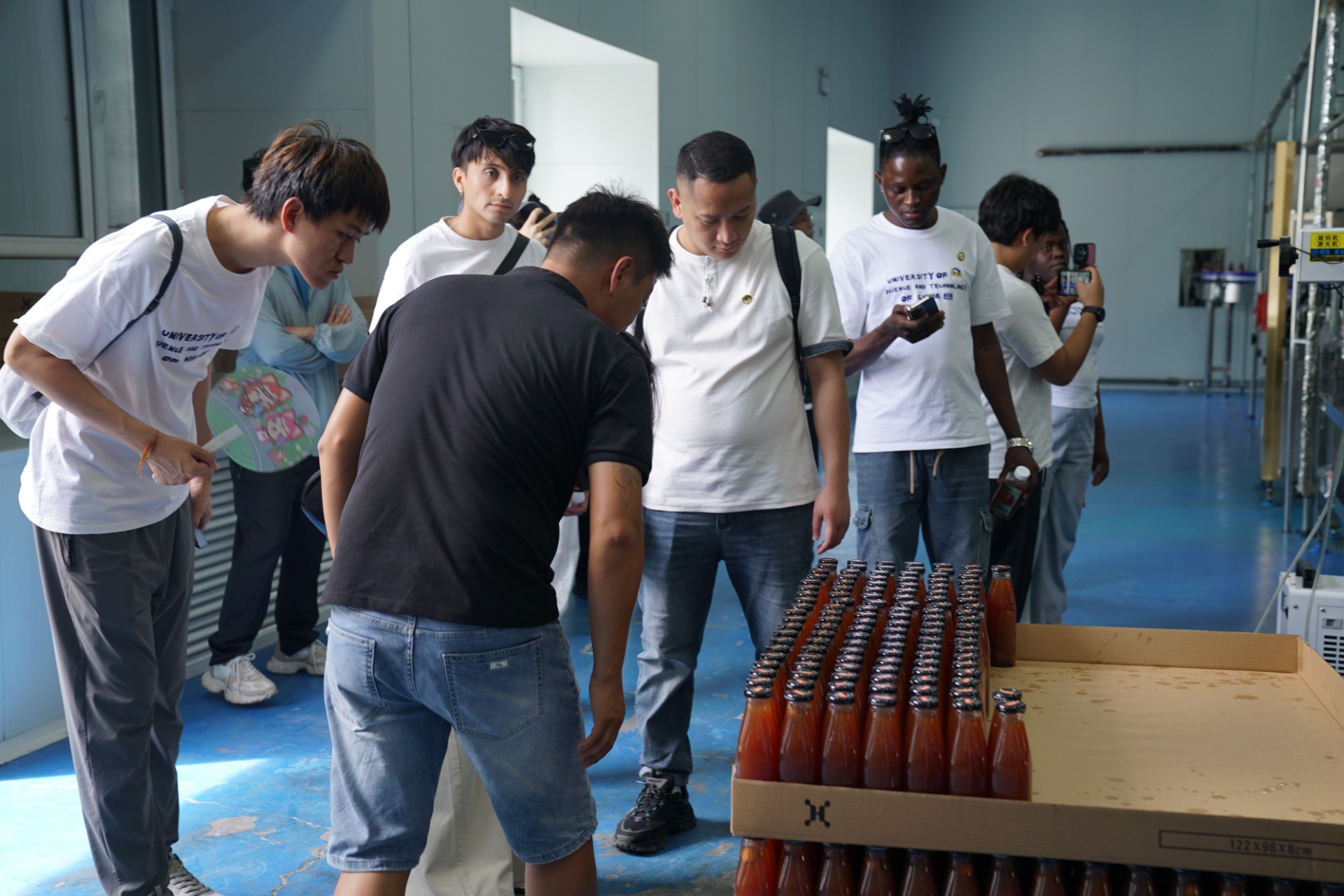
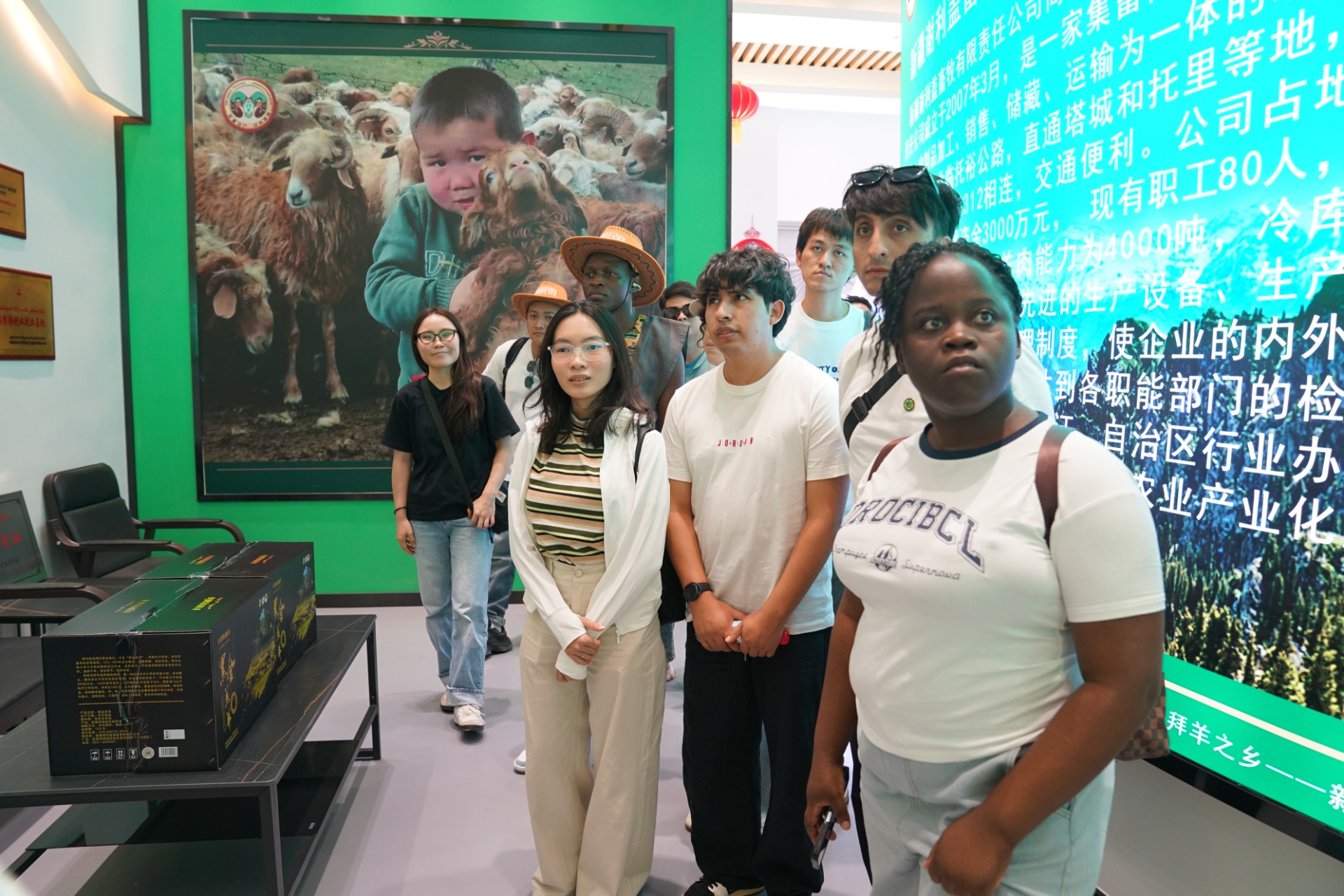
Students visited Xinjiang Xieligai Livestock Co., Ltd. and Xinjiang Tianding Safflower Oil Co., Ltd., where they explored how local resources have been transformed into competitive industries through modern agricultural practices, product innovation, and brand development.
At the safflower production facilities, students learned how Yumin has developed an integrated industrial chain covering cultivation, processing, research and development, and value-added products. At the Bashbai sheep enterprise, they gained insight into standardized breeding, industrial upgrading, and brand building, which have contributed to the modernization of the region's traditional livestock industry.
 These visits offered students a practical understanding of how China promotes rural revitalization by developing industries tailored to local resources and conditions.
Students also visited Xinjiang Yuneng High-Tech Information Co., Ltd., where they explored how digital technologies are being applied to support industrial development and improve productivity, highlighting the growing role of innovation in regional economic development.
Experiencing Cultural Diversity and Community Life
Beyond industrial visits, the program introduced students to the rich cultural heritage and everyday life of Yumin County.
Students visited the Yumin County Museum, the county Cultural Center, the Senior Citizens' Activity Center, and Yumin People's Hospital, gaining a broader understanding of local history, public services, and community development.
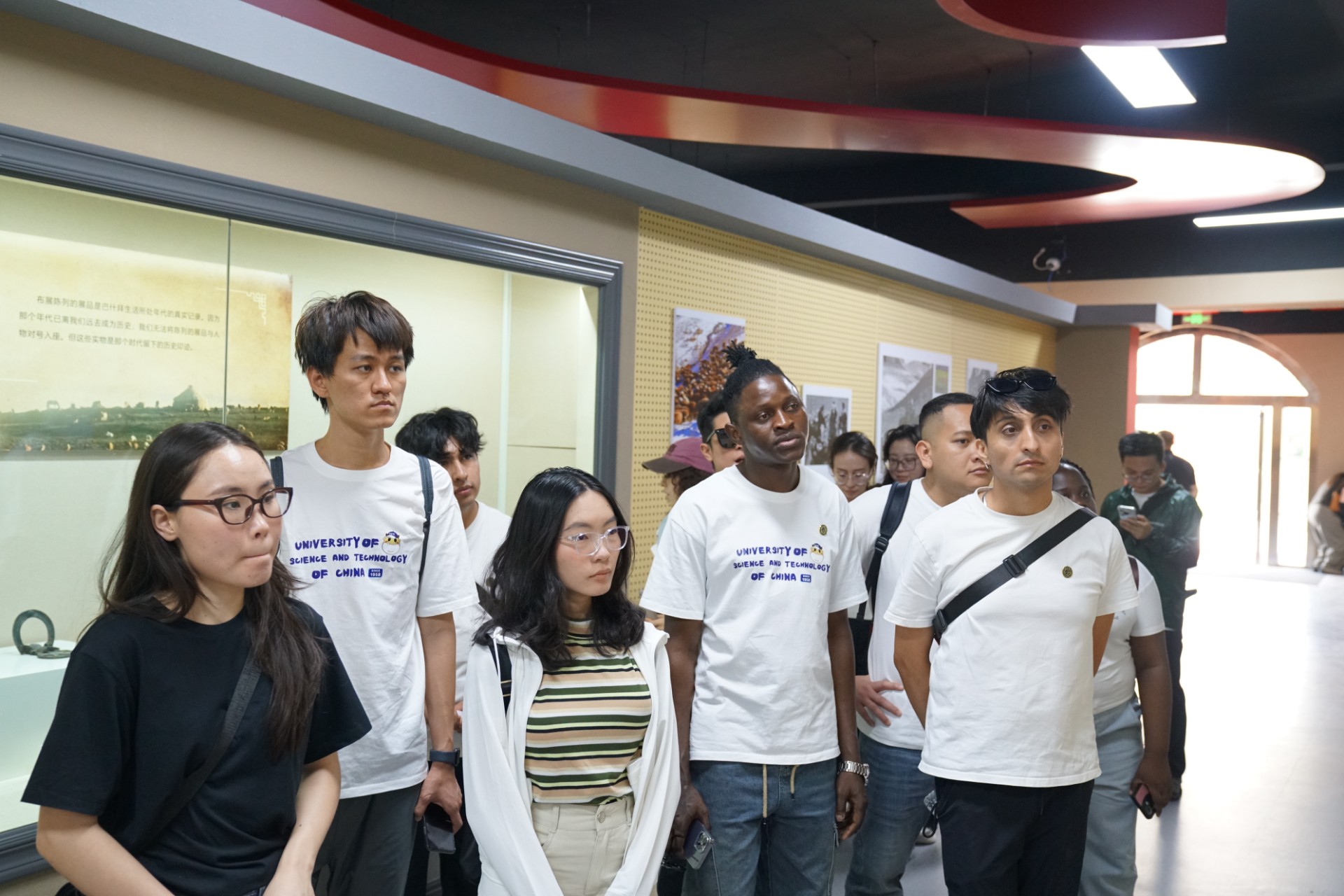
Students also traveled to Jianggesi Township and Aketiekeqie Village, where they observed rural life and learned how local communities have improved living standards through industrial development and rural revitalization initiatives. At the "Memories of the 1970s and 1980s" Exhibition Hall, they experienced the remarkable transformation of rural China over recent decades, witnessing the country's rapid social and economic progress from a unique historical perspective.

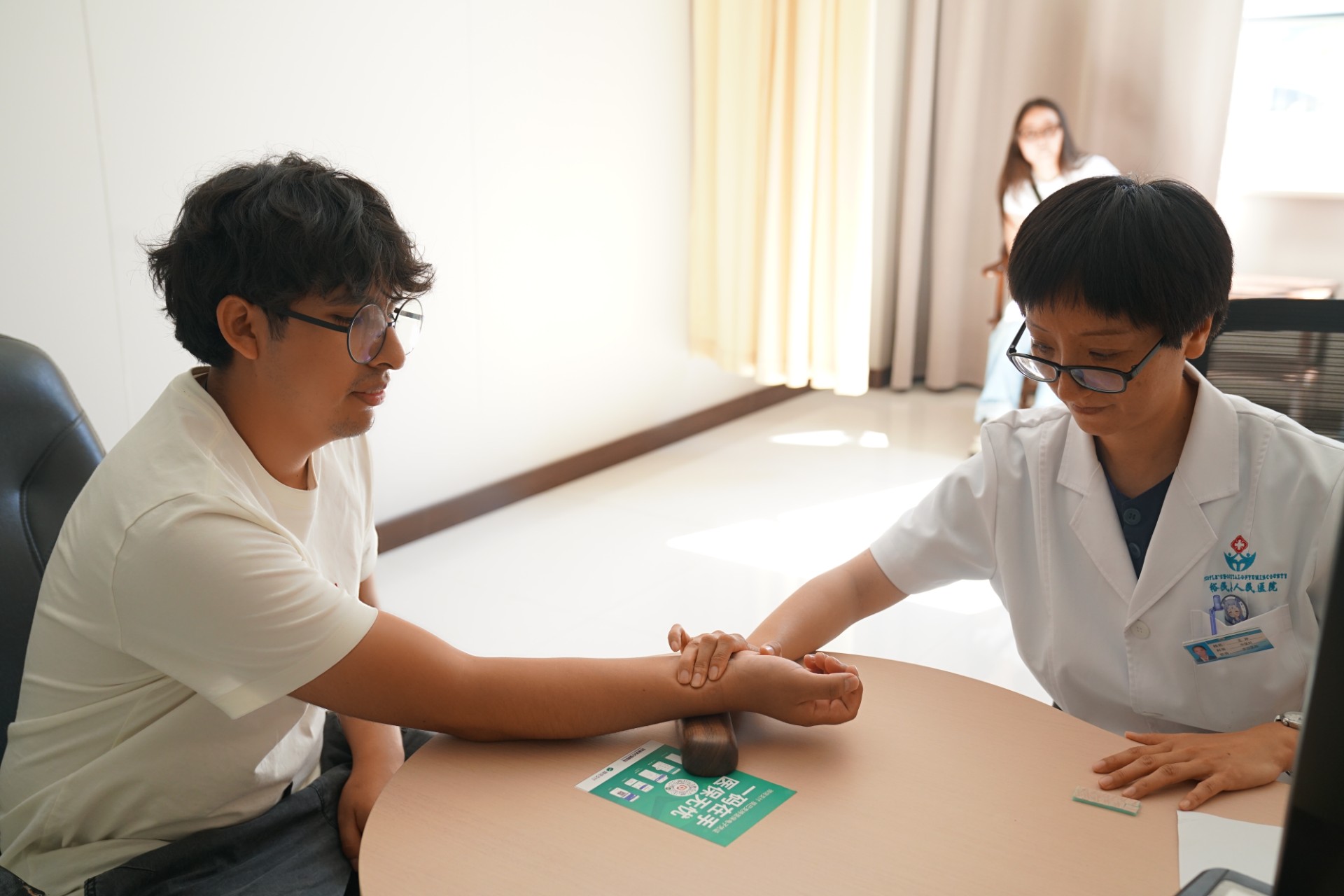
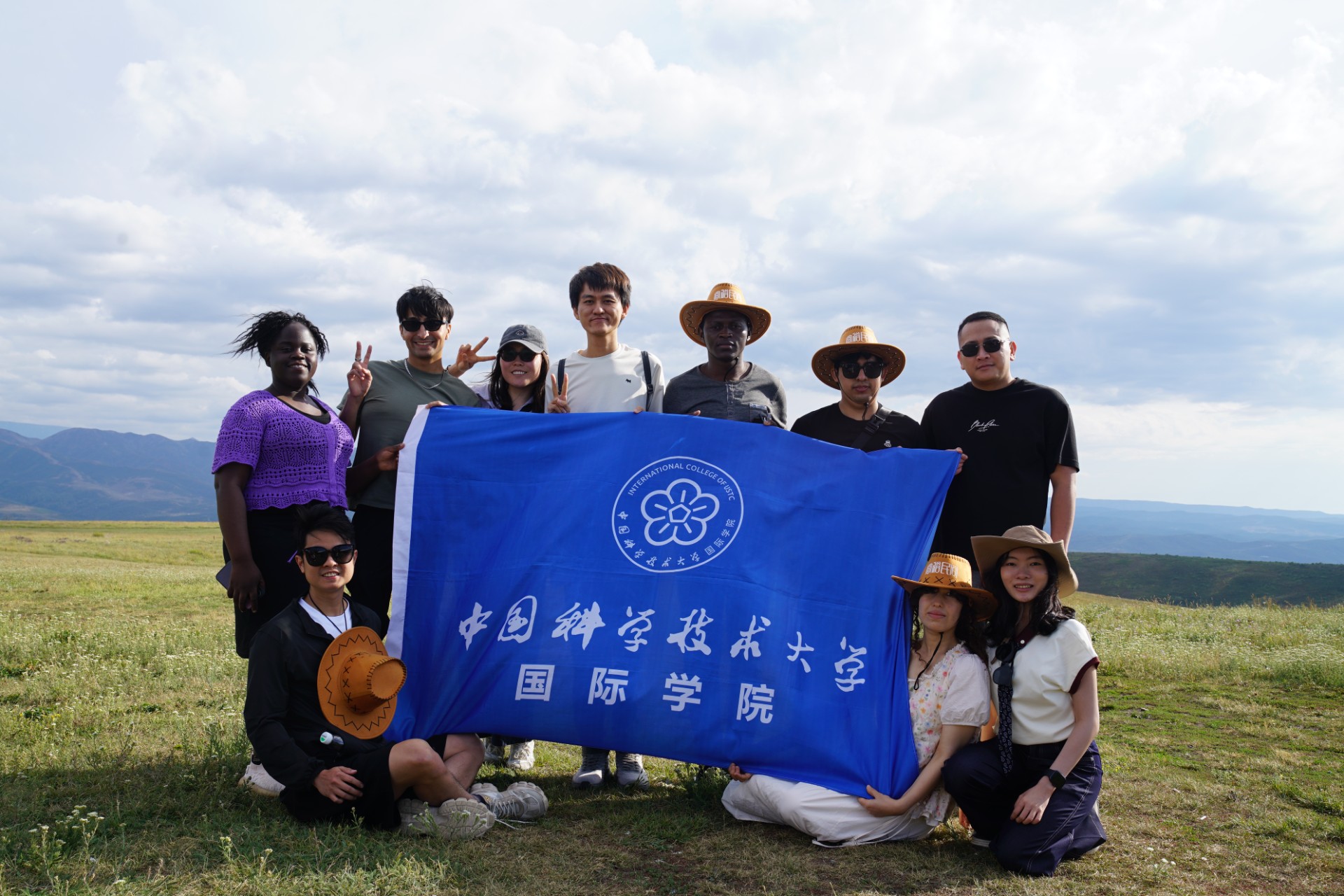
Students participated in the community "Hundred-Family Banquet," where residents from different ethnic groups shared traditional food and local customs. Students also visited Jinyu Ecological Park and the Tuerjialiao Grassland, appreciating Xinjiang's spectacular natural landscapes while experiencing the region's vibrant multicultural traditions.
Approaching an Open Xinjiang
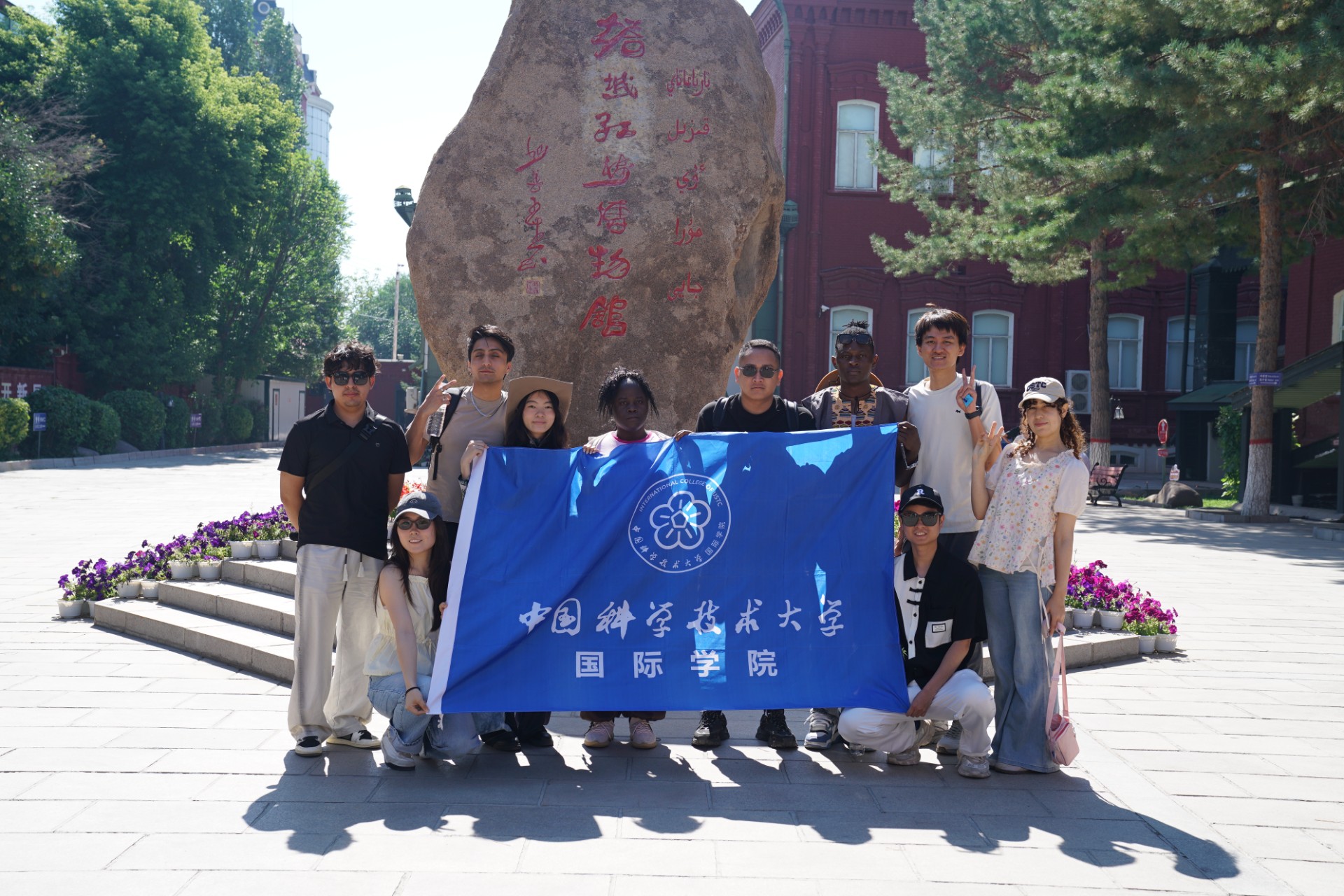
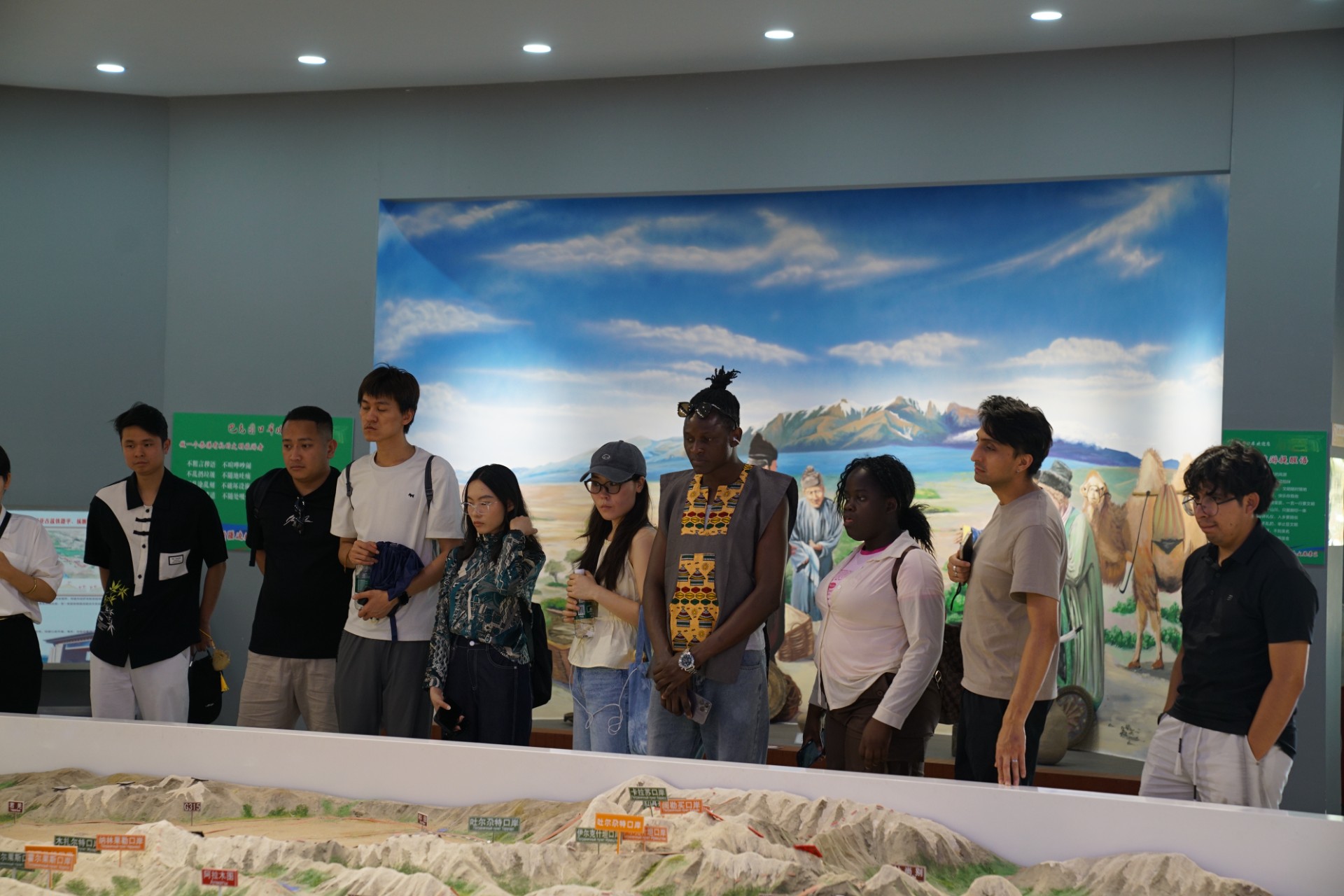
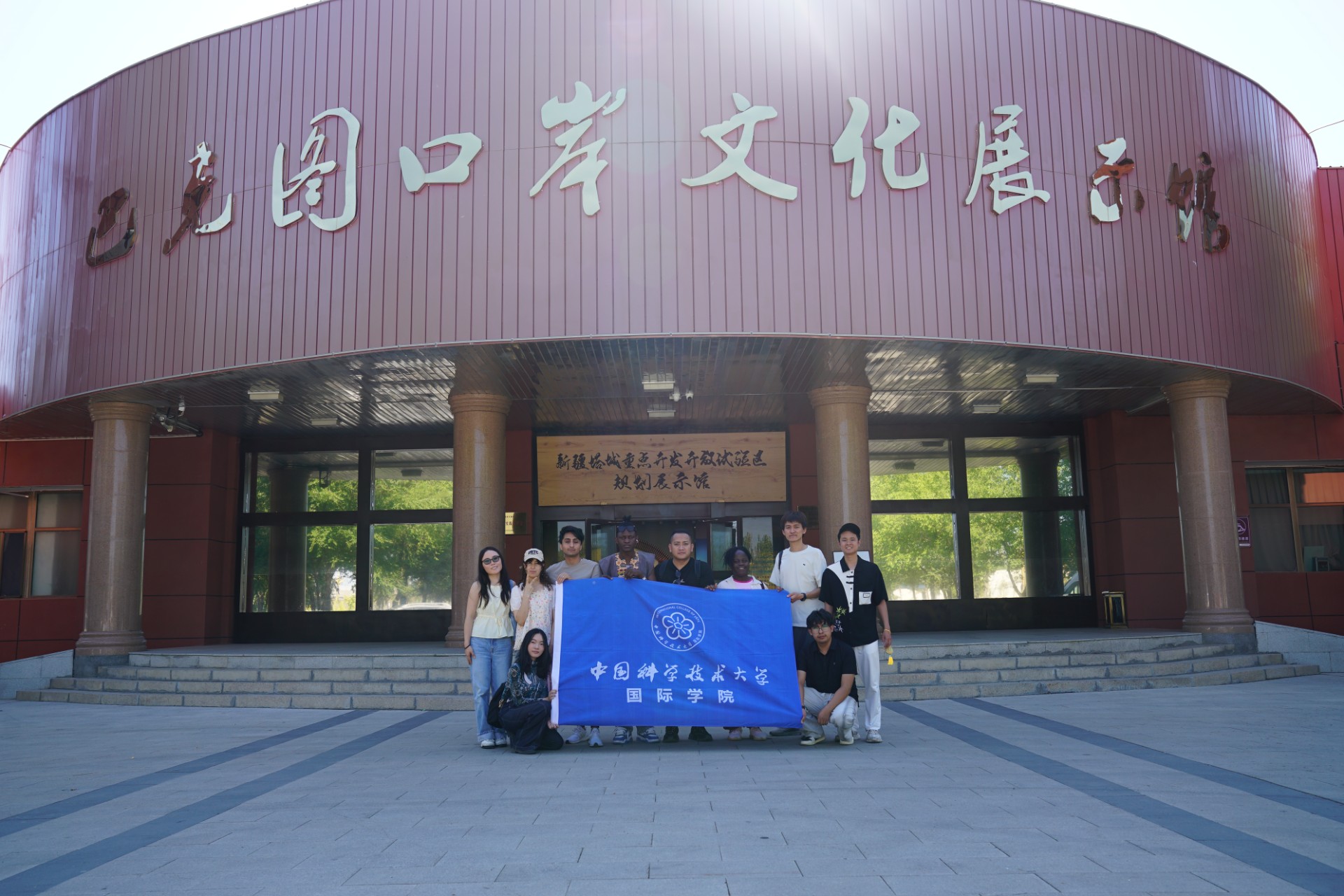
The final stage of the program took students to Tacheng City, where they visited the Red House Museum, the Accordion Museum, the Tacheng Key Development and Opening-up Pilot Zone Planning Exhibition Hall, and the China-Kazakhstan Border Trade Market. These visits offered valuable insights into the opportunities created by the Belt and Road Initiative, regional cooperation, and cross-border economic development.
Learning China through Practice
The Yumin International Youth Exchange Program forms part of USTC's broader efforts to enhance experiential learning and China studies for international students.
By visiting rural communities, local industries, cultural institutions, and border development zones, students developed a deeper understanding of China's economic transformation, cultural diversity, and regional development. The program also strengthened their intercultural communication skills and encouraged meaningful exchanges with local communities.
Looking ahead, the International College will continue expanding opportunities for international students to engage with Chinese society beyond the classroom, enabling them to better understand China's development and contribute to people-to-people exchanges between China and the rest of the world.

