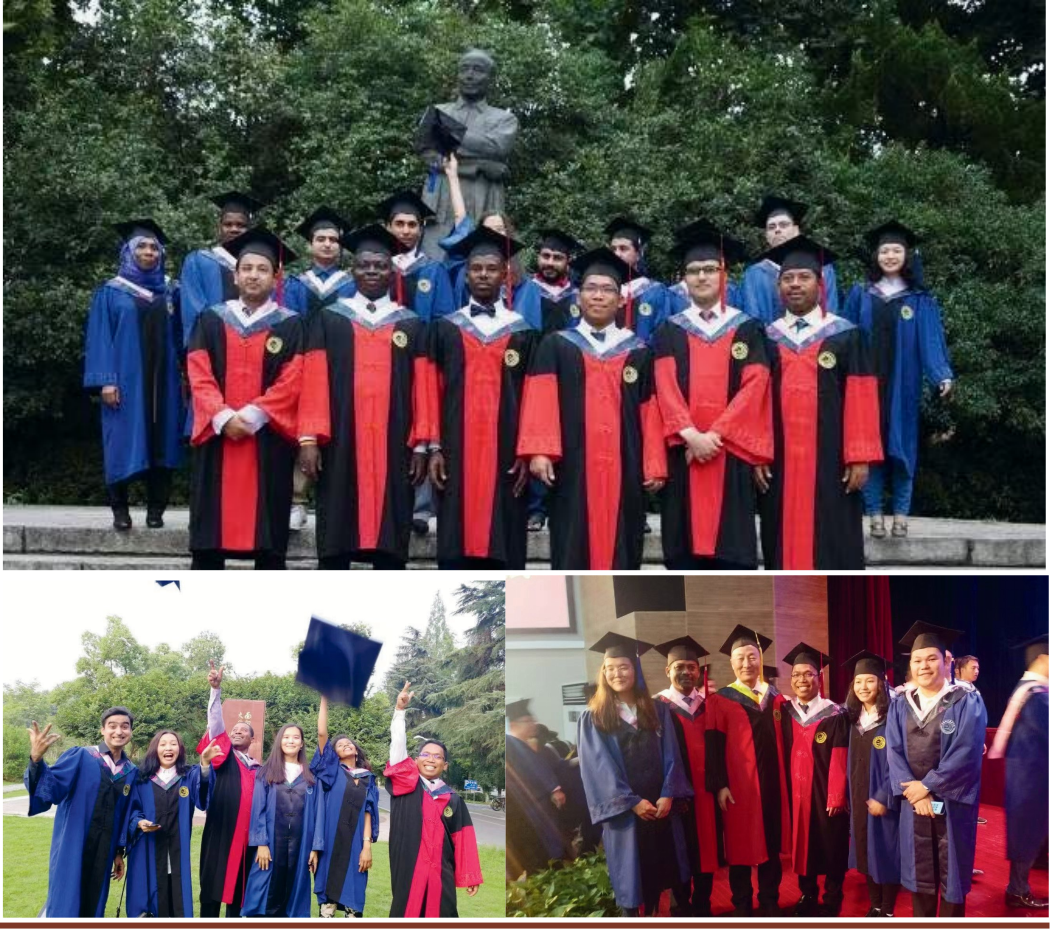
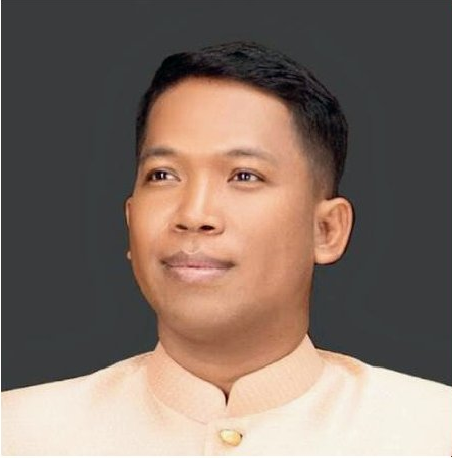
Yat Yen is a Cambodian researcher and lecturer specializing in urban studies and public policy. His expertise spans public security, urban planning, sustainable urban mobility, gender equity, and social inclusion (GESI). He obtained his PhD degree from the University of Science and Technology of China (USTC) in 2018 under the CAS-TWAS President Fellowship Program. He also completed postdoctoral research under the Boya Postdoctoral Fellowship at Peking University in 2020.
As an Associate Fellow at the ASEAN Academy of Engineering and Technology (AAET), a member of the International Engineering and Technology Institute (IETI), an alumnus of the Chinese Academy of Sciences and The World Academy of Science (CAS-TWAS), and a Research Fellow at the Singapore National Academy of Science (SNAS), Dr. YEN has actively contributed to academia and policy development. Meanwhile, he has supervised numerous doctoral and master’s students and served as a reviewer for prestigious journals, such as MDPI, Springer, Scientific Reports, PLOS One, and Sage.
Dr. Yen leads several research projects, including initiatives funded by UN- Habitat, the World Bank, ADB, JICA, and GIZ, focusing on inclusive cities, climate change, and rural transport. He is supporting Harvey and the team at Singapore University of Technology and Design on the “Strengthening Urban Resilience in the Age of Flux” (SURF) project.
I am Yen Yat, and it is a great honor to accept the invitation from the Alumni Association of the University of Science and Technology of China (USTC) to share my personal journey, academic experiences, and reflections on research and public service.
I was born in 1986 in a remote rural village in Kampong Speu Province, Cambodia, where educational opportunities were extremely limited. My mother is illiterate, and my father, whose education was interrupted by the civil war, completed only primary school. Despite their limited formal education, my parents firmly believed in the transformative power of learning and consistently encouraged me to pursue education with determination.
During my childhood, I walked more than six kilometers each day along muddy roads to attend school. After graduating from middle school, I was admitted to a high school located nearly thirty kilometers from my home, where I lived with monks at the pagoda for three years. At that time, my greatest aspiration was simply to become a teacher at a primary or middle school because I knew I could not afford to attend university.
After completing high school, I received a university scholarship, but I still sat for the national teacher qualification examination. More than 500 candidates competed for only three available positions, and fortunately, I was selected. I then decided to drop out of my studies at the university because I could choose only one due to an overlapping schedule and financial constraints. From 2006 to 2011, I worked as a Khmer language teacher in Cambodia. Those years allowed me to witness firsthand the realities of rural education and deepened my understanding of how profoundly education can shape individual lives and social development.
Even while teaching, I continued to dream of studying abroad. At one point, I won a competitive scholarship opportunity to study in Russia and ranked highly enough to pursue medicine. However, due to various circumstances, I was ultimately unable to go. Although disappointing, that experience strengthened my resolve to continue seeking opportunities for international education. Due to the age limit, I was no longer eligible to apply for any scholarship for a bachelor’s degree abroad. Therefore, I decided to pursue a bachelor’s degree in my country, and with that qualification, I could apply for a scholarship for a master’s degree.
In 2011, I came to China to pursue a master’s degree at the China University of Geosciences (Wuhan), or CUG. The journey was far from easy. During my undergraduate years, I had unsuccessfully applied for a Chinese Government Scholarship (CSC), but I refused to give up. Eventually, I was awarded a scholarship for my master’s studies. That year, only 16 applicants were selected from more than 300 candidates, and I ranked second overall. After staying two months in CUG, I decided to bring my wife and first son to live with me. At that time, it was financially difficult to support my family on a monthly stipend. Nevertheless, I chose to keep my family together because I deeply value family reunions and cherish the time we spend together.
After completing my master’s degree, I decided to pursue a Ph.D. in Public Policy at USTC. My decision was motivated by several factors: USTC’ s outstanding academic reputation, the alignment of the program with my research interests, and the encouragement I received from Professor Song Wei, Dean of the School of Public Affairs, who responded patiently and thoughtfully to my emails throughout the application process, further strengthening my confidence in choosing USTC.
My years at USTC became one of the most meaningful chapters of my life. Beyond receiving rigorous academic training, I also formed lastingfriendships and built a home in Hefei together with my lovely wife and twosons. During weekends, we often visited Swan Lake, Anhui Museum, andgradually, Hefei came to feel like our second home. During my PhDstudies, my wife once jokingly remarked that I “belonged to thecomputer” because l spent so much time on it each day. Behind that jokelies the reality that academic research requires enormous dedication and perseverance.
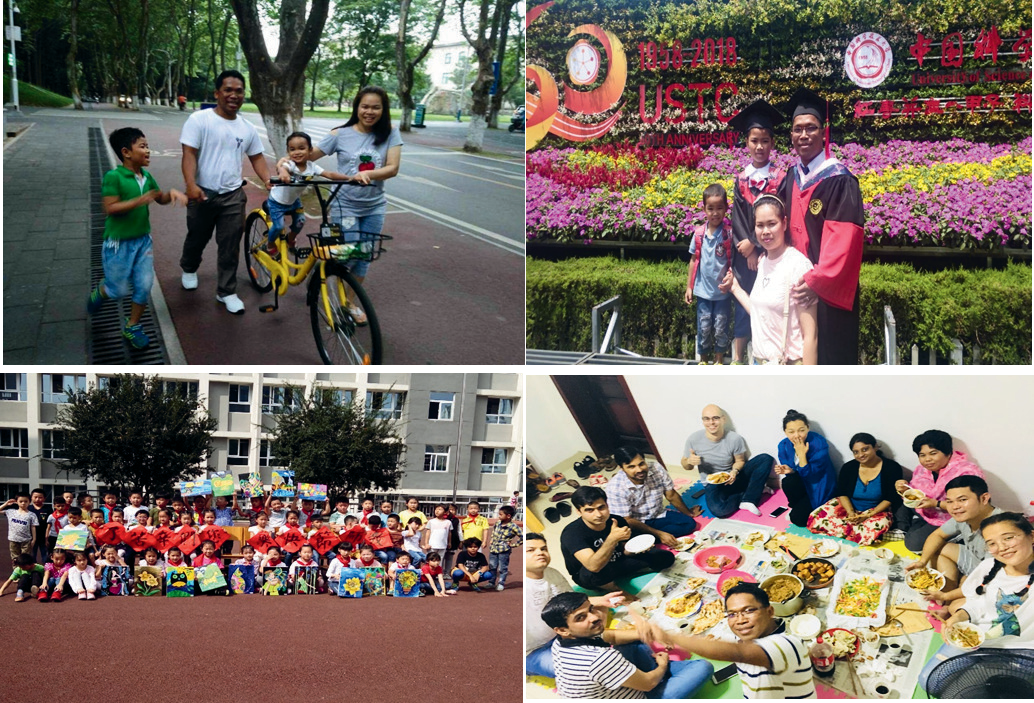
More importantly, USTC provided a strong academic foundation for myfuture development. After completing my doctoral studies, I joined PekingUniversity as a postdoctoral researcher. During the application processfor the Boya Postdoctoral Fellowship, I was informed that, aside from mypublications, my USTC academic background met their expectations andstandards. I deeply appreciated how the reputation and training of USTCopened additional opportunities for my professional growth.
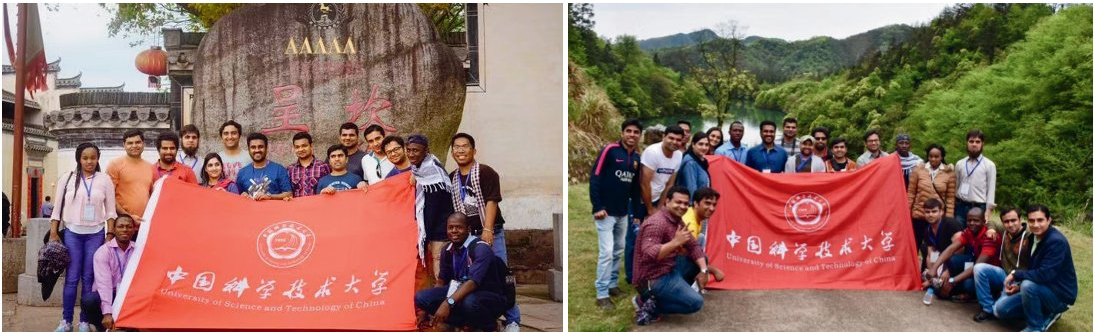
At my graduation, my supervisor Shi Yumin ( 史 玉 民 ) expressed great satisfaction with my work and even invited my family to dinner, encouraging me to continue postdoctoral research. For me, this was not only an academic recognition but also a meaningful encouragement.
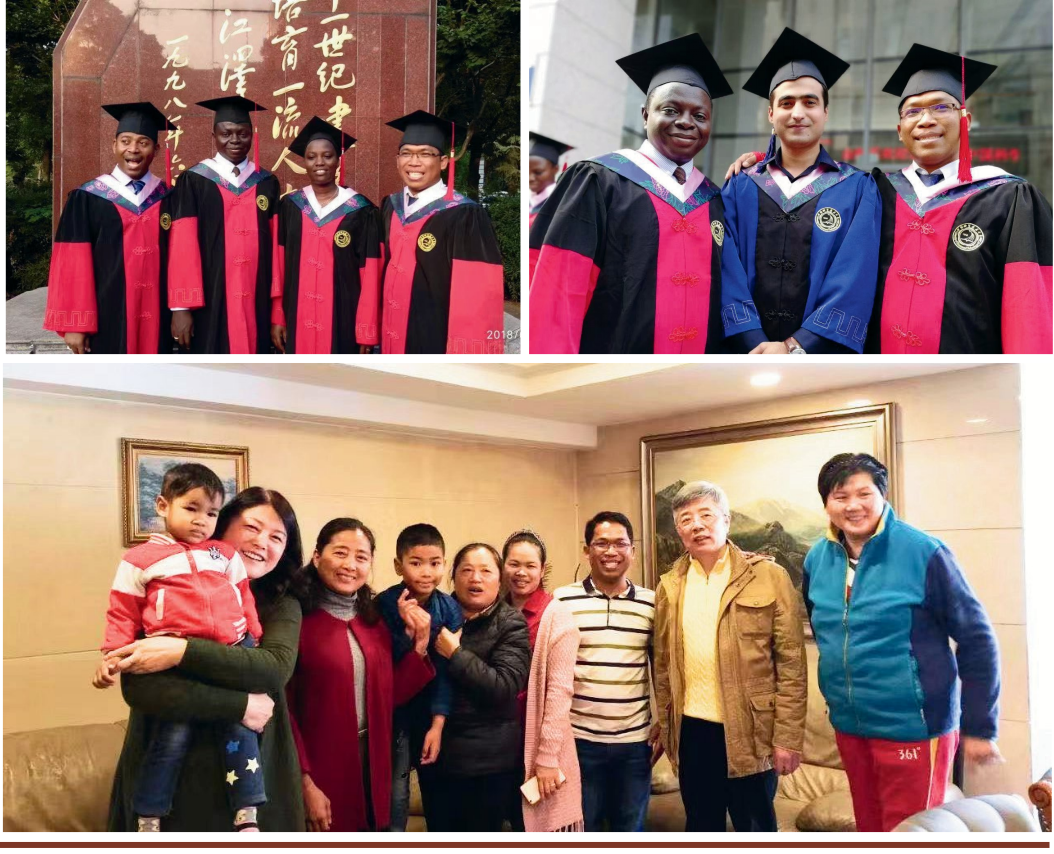
Many people have asked how I managed to earn a doctoral degree and receive an honorary award from the Ministry of Education as an outstanding international student. Achieving this required a high level of discipline and careful time management. I divided my time into three major areas: academic study and research; supporting and spending time with my children to do homework as they also studied; and family activities. Throughout this period, I published more papers than required for graduation. One of my journal articles took twenty-two months from submission to acceptance, reminding me that research often demands patience and persistence.
My doctoral research initially focused on urban green spaces and sustainable development in city planning. Over time, my research expanded into urban public safety, particularly traffic safety and drunk driving prevention. I have consistently sought to integrate Geographic Information Systems (GIS) with public policy research to improve evidence-based governance.
For example, traffic accidents often occur repeatedly in certain locations, commonly referred to as “hotspots.” GIS analysis allows researchers and policymakers to identify these areas more accurately and design targeted interventions. Similarly, GIS can be used to evaluate the distribution of urban green spaces and identify underserved communities, thereby promoting more inclusive urban development.
During my postdoctoral research at Peking University, I further explored the concept of walkability. In many cases, people do not avoid walking by choice; rather, urban environments fail to provide safe and accessible conditions for pedestrians. Urban design, transportation infrastructure, and public spaces all directly influence public health and quality of life.
I am particularly interested in the concept of inclusive cities. To me, inclusiveness means ensuring that all citizens—regardless of income level or residential location—have access to essential public services such as transportation, healthcare, and education. If only a limited number of residents benefit from major infrastructure projects, inequality may deepen. Improving urban connectivity through shared bicycles, local shuttle systems, and other accessible transportation solutions can help create broader opportunities for more people, particularly marginalized groups.
Inclusiveness does not necessarily mean absolute equality; rather, it means ensuring fair access to opportunities.
Over the years, I have also participated in practical policy-oriented projects. One example was a rural transportation project in Cambodia funded by the Asian Development Bank, which covered multiple provinces and benefited more than half a million people. Our research examined how farmers transported agricultural products and how road safety could be improved in rural communities. We submitted policy recommendations to the Ministry of Rural Development. Although not all recommendations were adopted due to budgetary and administrative limitations, I believe researchers have a responsibility to provide accurate information and constructive policy contributions. For me, academic research and public service are deeply interconnected. Research helps us understand societal challenges, while public service enables the translation of research findings into meaningful action.
My years in China also gave me a deeper appreciation of the country’s development, particularly in urban planning and public transportation. I was especially impressed by the long-term planning strategies adopted by many Chinese cities. Compared with Cambodia, where comprehensive urban planning has historically been limited, China demonstrates how forward-looking planning can significantly shape economic and social development.
China’s public transportation system also left a strong impression on me. High-speed rail enables journeys of approximately 500 kilometers to be completed in less than two hours, whereas traveling the same distance in Cambodia often takes substantially longer. Efficient transportation infrastructure not only improves daily life but also stimulates economic growth and regional connectivity.
At the same time, every country has its own unique context. Cambodia cannot simply replicate China’s development model, but there is much to learn from China’s planning philosophy and long-term vision.
In 2020, I returned to Cambodia and joined the Ministry of Interior. In 2023, I became a Director of Institute of Police Science Research. Currently, I am involved in establishing Cambodia’s first modern forensic laboratory, a $13 million project supported by the Government of South Korea. At the same time, I continue collaborating with regional researchers on projects related to climate change and public health.
Looking ahead, I believe climate change will become one of the most significant challenges facing Southeast Asian cities over the next decade. Rising temperatures, flooding, and water shortages will increasingly affect public health, productivity, and urban sustainability. I am currently working with an international research team on a proposal examining how climate change impacts urban populations across multiple countries, with particular attention to the vulnerabilities faced by low-income communities.
I continue to learn, conduct research, and contribute wherever possible. Based on my own experiences with data accessibility challenges, I also developed the “Cambodia Urban Database” as a free resource for other researchers.
If I were to summarize my life and research philosophy in one sentence, it would be this:
Research has become an integral part of my daily life.
Since graduating from USTC, I have remained deeply grateful to my alma mater. USTC played a transformative role in my personal and professional development, shaping both my academic vision and my understanding of responsibility and service. I hope to continue giving back to the university by supporting academic exchange, sharing my experiences, and encouraging younger generations of students. To this day, USTC remains an important part of my life.